Five Ways We Strengthen Community
Each focus area is designed to address a specific gap in what makes displaced communities function with order, dignity, and continuity.
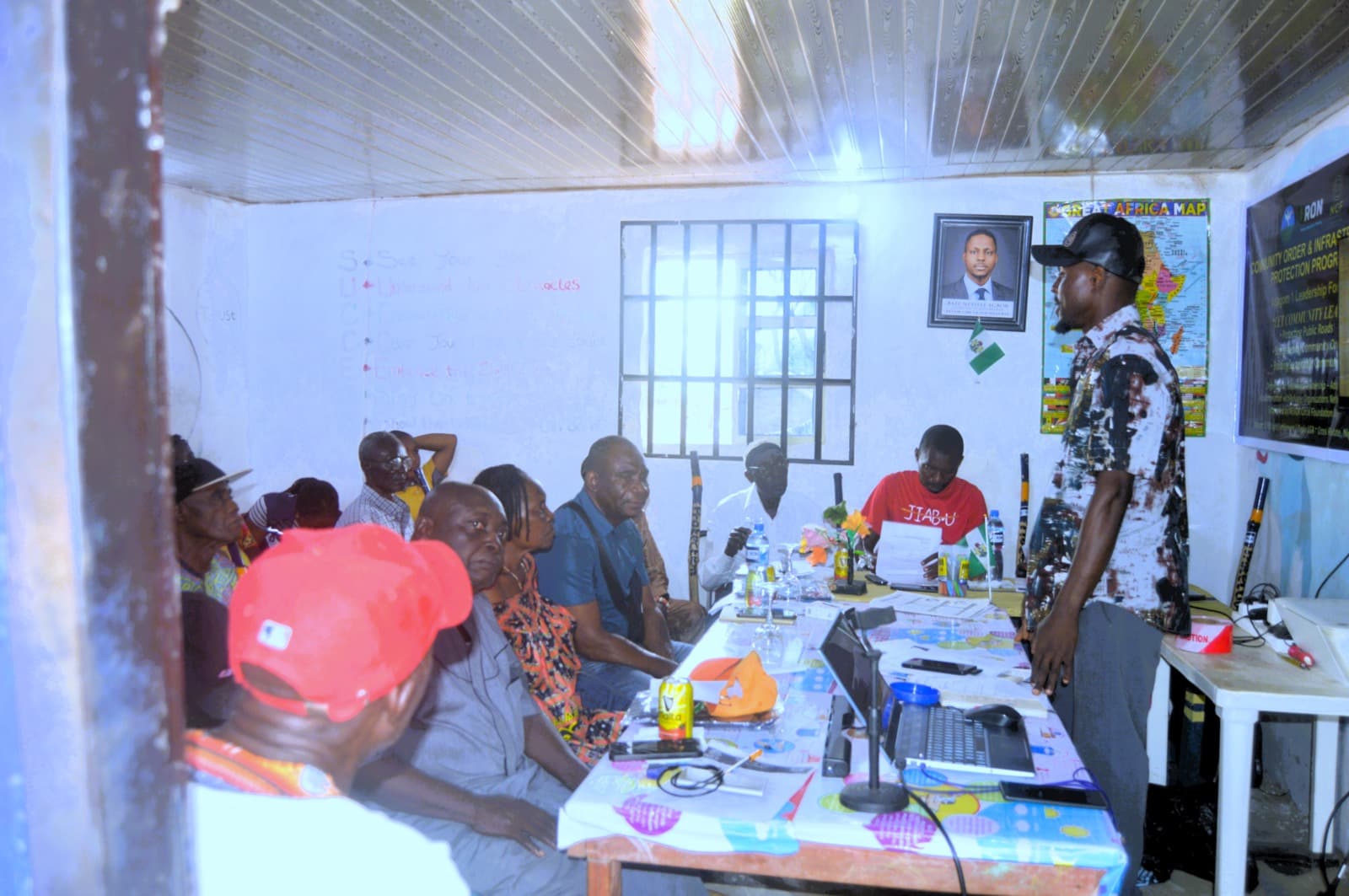
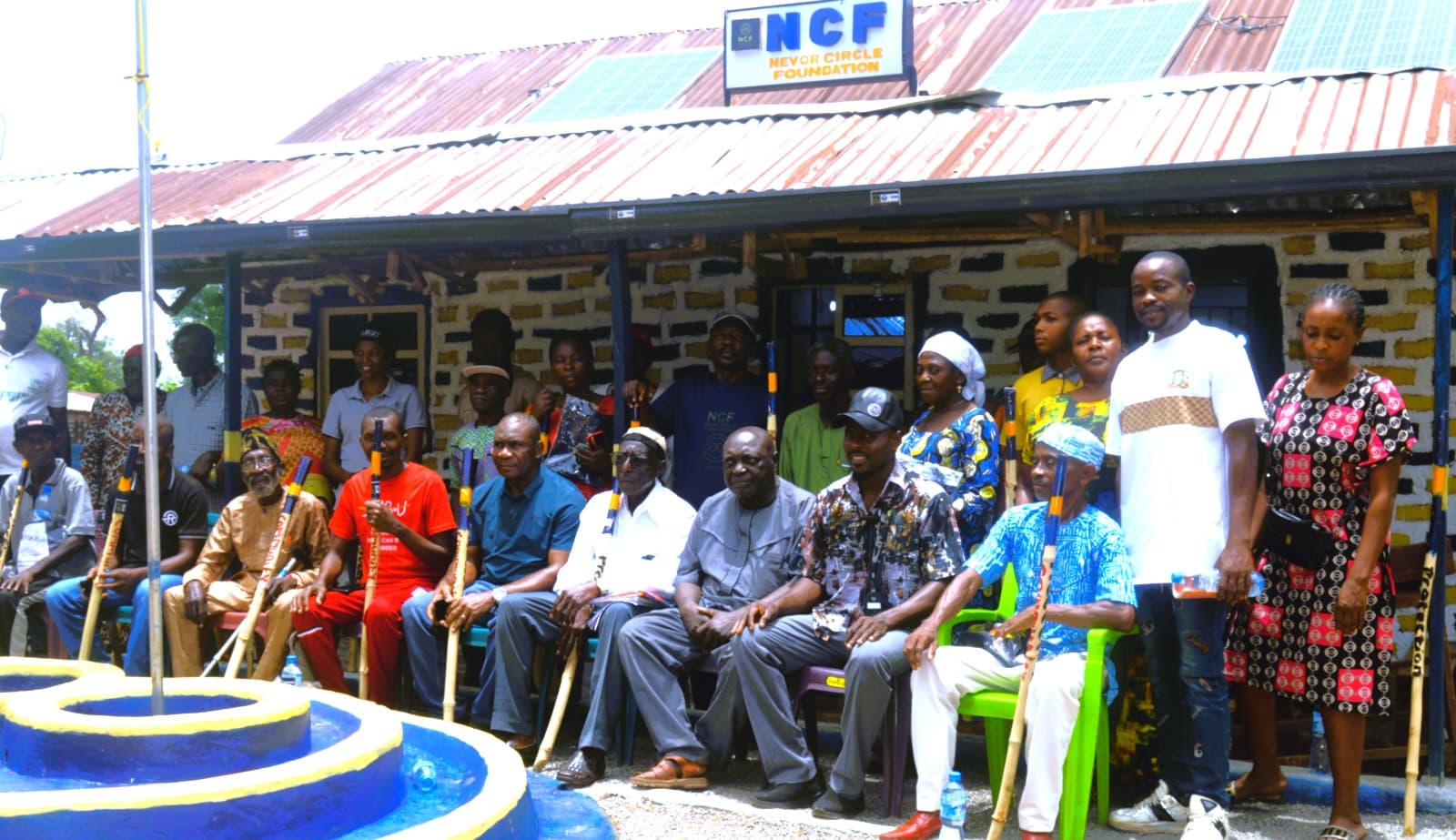
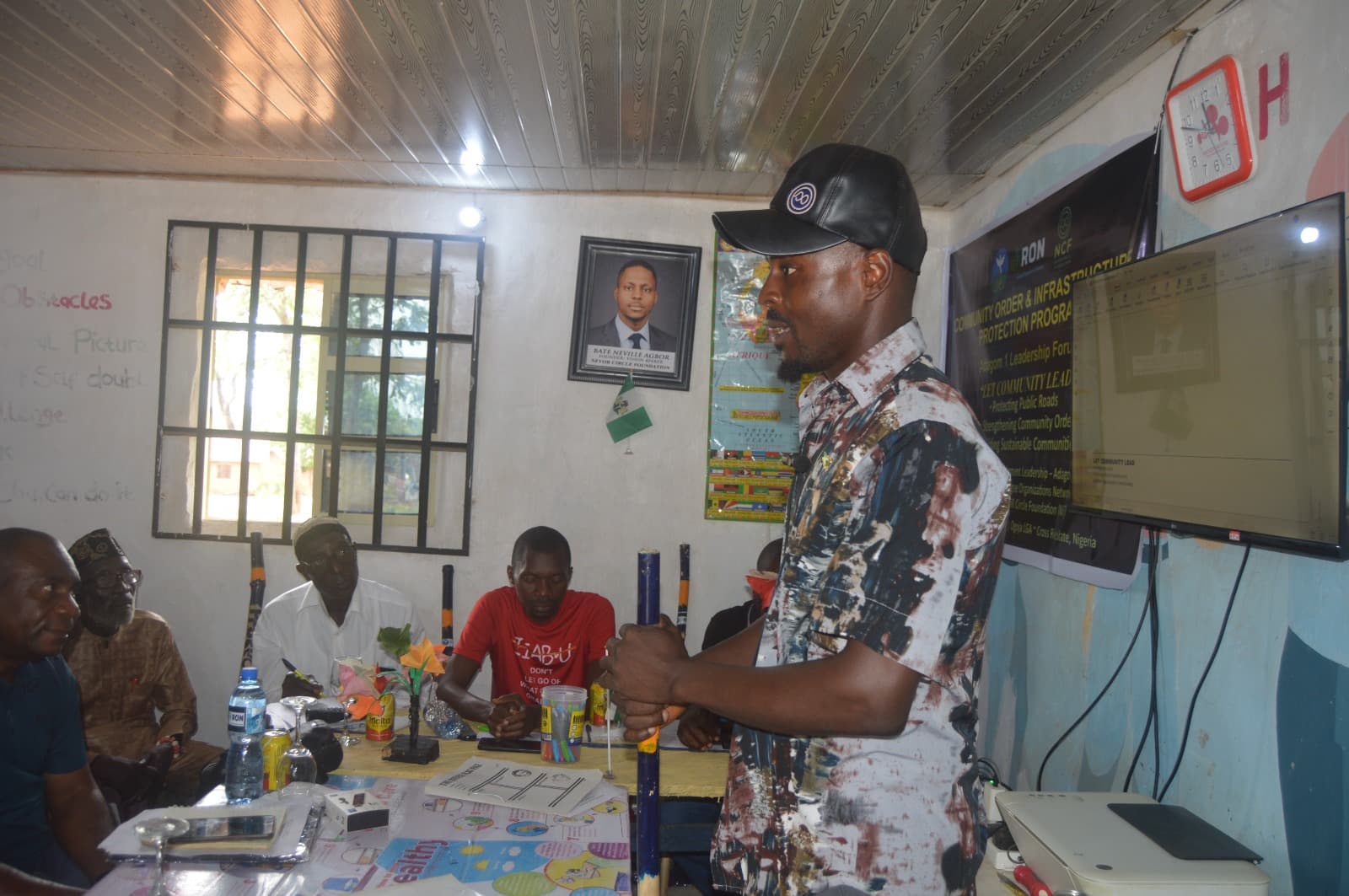
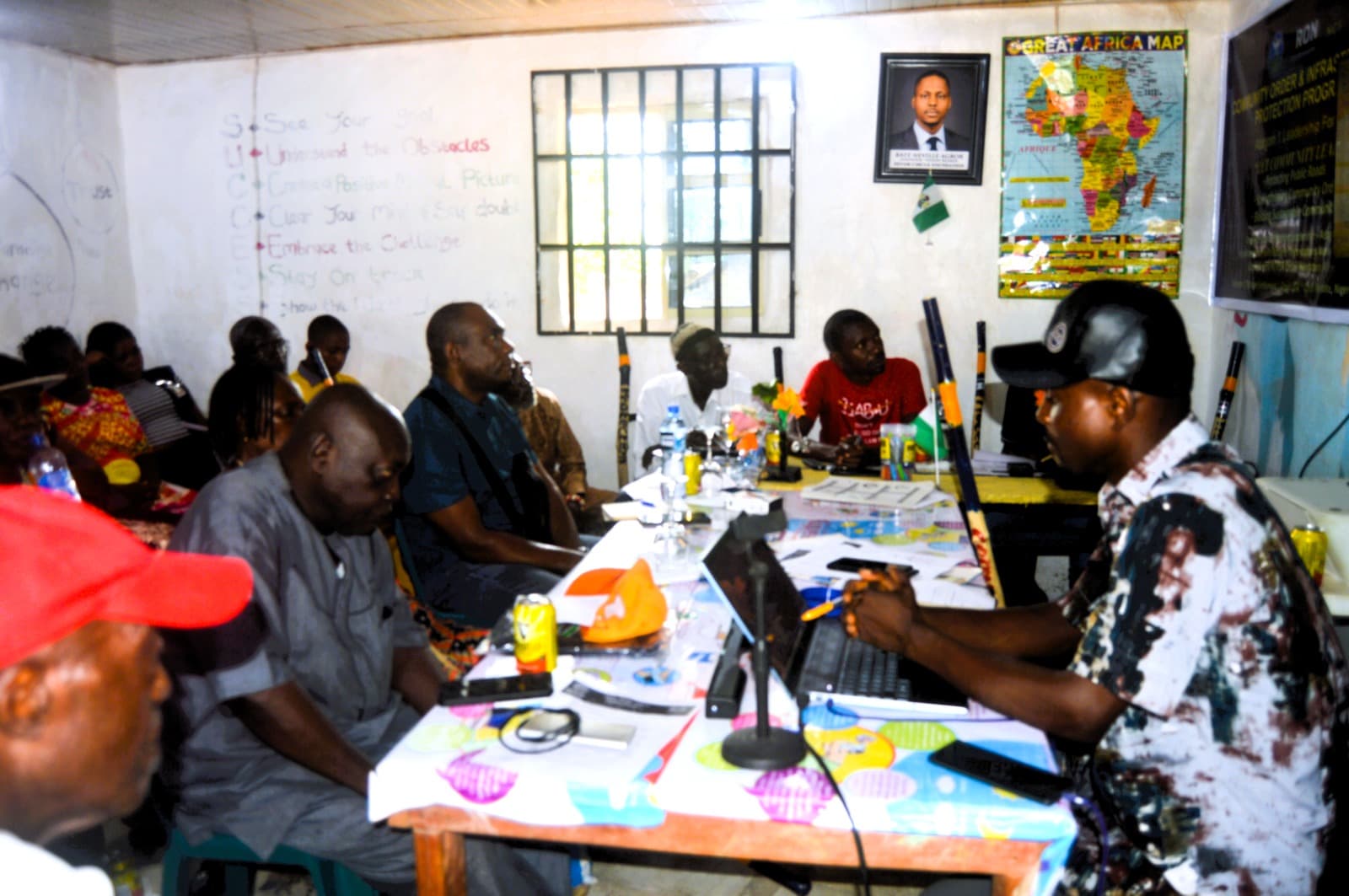
Community Order & Infrastructure Protection
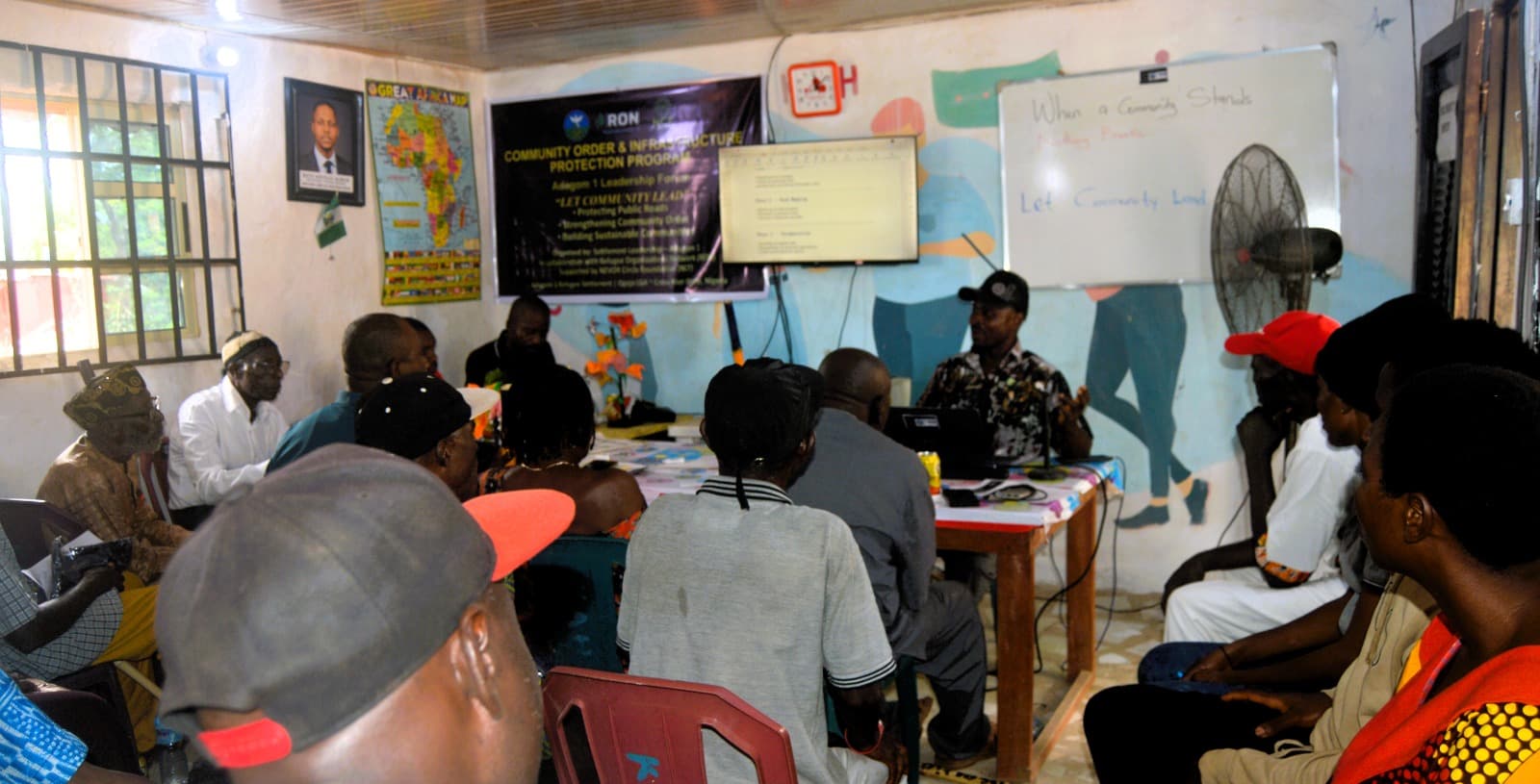
Protecting the shared systems every community depends on.
NCF works with community members and local leaders to identify, protect, and restore the shared infrastructure that makes community life possible — roads, drainage systems, public pathways, and common spaces. Without structured maintenance and protection, these systems degrade rapidly in displacement settings.
How This Helps the Community
Community members gain safe, passable access routes. Leaders have documented, mapped records of shared infrastructure. Disputes over land and access are reduced through clear boundary documentation.
Activities Include
- Road access mapping and documentation
- Boundary marking and community records
- Volunteer mobilization for maintenance activities
- Environmental order and shared space protection
- Coordination with local authorities and organizations
Community Coordination Systems
Helping leadership function with clarity and shared purpose.
Displacement creates leadership gaps and coordination failures that compound over time. NCF supports community leadership structures with tools, training, and documented processes that help them function clearly — from meeting management to formal resolutions, from communication channels to role clarity.
How This Helps the Community
Leadership bodies operate with documented procedures. Decisions are recorded and implemented consistently. Community members understand how to access leadership and participate in decisions.
Activities Include
- Leadership structure mapping and support
- Meeting documentation and resolution recording
- Communication and coordination tools training
- Conflict reduction through clear process design
- Multi-organization coordination support
Documentation & Record Systems
Building systems that preserve accountability and institutional memory.
In displacement, documentation is power. When communities have no records, they lose the ability to prove what happened, hold leaders accountable, access services, or demonstrate their organized state to partners. NCF builds practical documentation systems — registers, reports, attendance records, resolutions — that function as institutional memory.
How This Helps the Community
Community registers track participants, volunteers, and program beneficiaries. Meeting minutes and resolutions are preserved and accessible. Reports are prepared in formats that partner organizations and UNHCR can read and act on.
Activities Include
- Community register design and maintenance
- Report writing and structuring support
- Meeting minutes and resolution documentation
- Program evidence and outcome documentation
- Digital records training for community officers
Capacity Strengthening
Building leaders and community builders who last.
NCF invests in the people who will carry community systems forward. Through structured training, peer education programs, and leadership development, NCF builds the human infrastructure that makes everything else possible. This is not one-off training — it is sustained, documented capacity building that grows the next generation of community leaders.
How This Helps the Community
Community leaders develop skills in documentation, coordination, and accountability. Peer educators multiply the reach of training across their networks. Youth gain technical and leadership skills that open long-term opportunities.
Activities Include
- Leadership development and governance training
- Peer educator certification programs
- Youth leadership and participation programs
- Training-of-trainers methodology
- Community facilitator development
Education, Access & Long-Term Inclusion
Expanding access to digital tools and lasting opportunity.
Digital exclusion compounds the disadvantages of displacement. NCF runs ICT training programs for youth and community members, building practical digital skills that create economic and educational pathways. NCF also works to connect community members with educational resources, formal learning opportunities, and inclusion programs that extend beyond the immediate displacement context.
How This Helps the Community
Youth gain practical digital skills — web design, computer literacy, digital tools — that are marketable beyond the camp. Community administrators can use digital tools for documentation and coordination. Long-term educational pathways are opened for young people with potential.
Activities Include
- ICT training and digital literacy programs
- Web design and computer skills courses
- Youth educational access programs
- Digital tools integration for community administration
- Connection to external learning and certification opportunities